Oil market’s fragile surplus: A war-driven rebound, not an energy transition
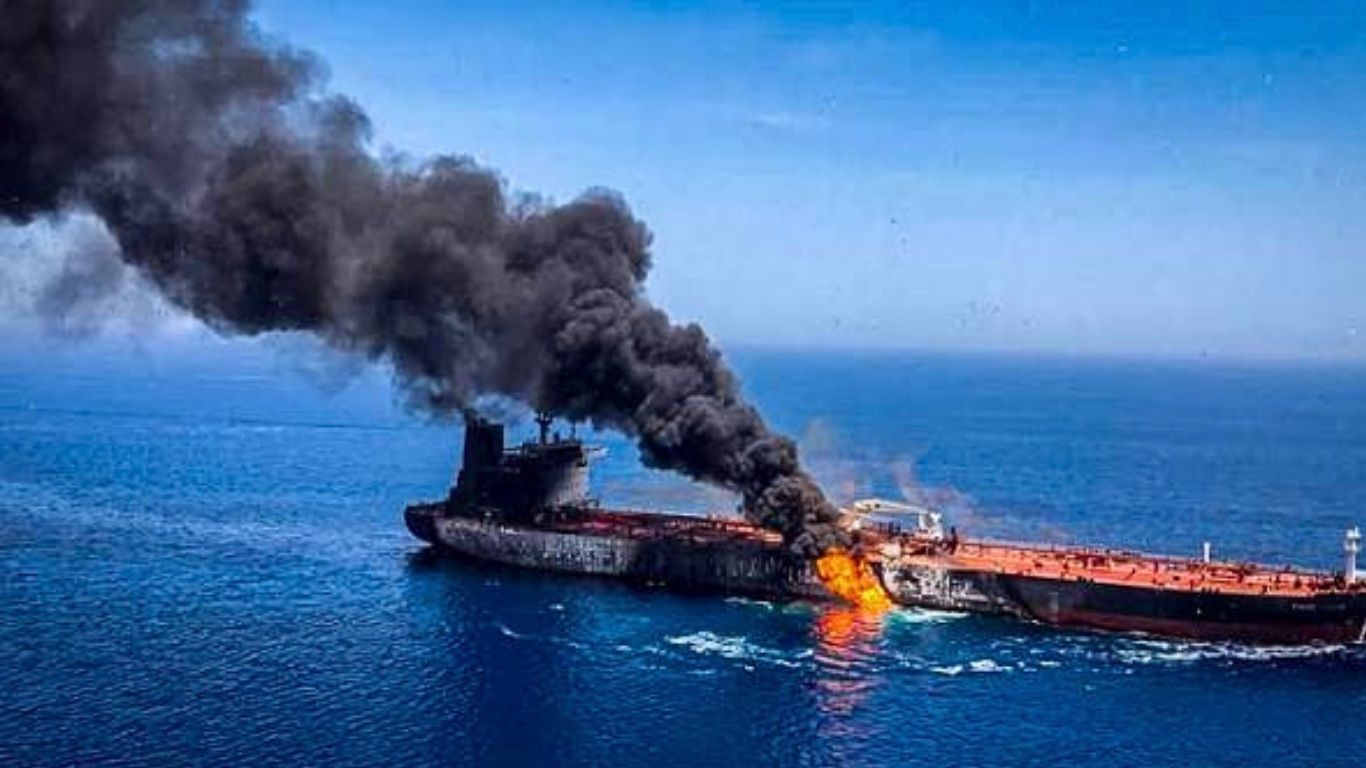
The global oil market may be approaching a temporary turning point, but declaring an end to the energy crisis would be premature. The International Energy Agency (IEA), in its November 2026 Oil Market Report, forecasts that global oil supply will exceed demand by 1.7 million barrels per day in the fourth quarter, marking the first projected surplus since the Iran conflict began. While the figures suggest a recovery in global supply, the underlying reality reveals a far more fragile situation: the apparent surplus is heavily dependent on oil shipments moving through an unstable geopolitical environment.
The timing of the IEA’s optimistic assessment is particularly significant. Saudi Arabia recently reported another attack on its strategic East-West oil pipeline, which connects the country’s eastern oil-producing regions with the Red Sea export terminal at Yanbu. A fire was reported in the Medina region, although Saudi authorities indicated that operations remained unaffected. Subsequently, Yemen’s Houthi movement claimed responsibility for drone and ballistic missile attacks targeting the pipeline’s Pumping Station No. 7 and an oil facility in Yanbu. Riyadh had not independently confirmed those latest claims at the time of reporting. These developments demonstrate that the infrastructure underpinning the global oil recovery remains exposed to military threats.
The supply figures nevertheless indicate a substantial rebound. Global oil production increased by 2.3 million barrels per day in October, reaching approximately 105.4 million barrels per day, following a three-million-barrel increase in September. Gulf exports, excluding Oman, recovered to 18.4 million barrels per day, equivalent to approximately 74 percent of pre-war levels. Observed global inventories also increased by 52 million barrels, their first monthly rise since June. However, a closer examination exposes an important weakness: oil held aboard tankers increased by 86 million barrels, while inventories stored on land continued to decline. The IEA reports that onshore stocks remain at their lowest level since at least 2016.
Read the complete and latest report on the publisher’s website.
View Original Article ↗